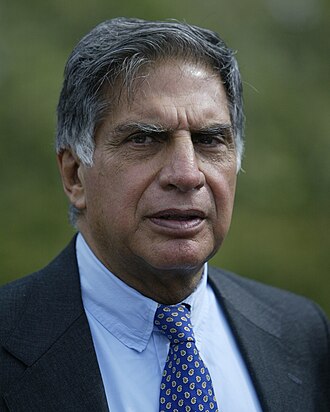
Born: 28 December 1937, Mumbai | Known for: Tata Group, philanthropy | Famous words: “I don't believe in taking right decisions. I take decisions and then make them right.”
Early Life
Ratan Naval Tata was born on 28 December 1937 in Mumbai. Though born into the famous Tata family, his childhood was not easy — his parents separated when he was ten, and he was raised by his grandmother, who taught him the values he kept for life: dignity, kindness, and never hitting back with insults. He studied architecture at Cornell University in America, and his first job at Tata Steel was on the shop floor, shovelling limestone alongside workers.
Building a Global Tata
In 1991 he became chairman of the Tata Group. Many doubted the quiet, soft-spoken Ratan. He answered with work: under him, Tata bought world-famous companies — Tetley Tea of England, Corus Steel, and Jaguar Land Rover — the Indian student had become the teacher. The group's value grew many times over. He also gave India the Indica, its first fully Indian-designed car, and the Nano — his dream of a safe, affordable family car for people riding four-on-a-scooter.
A Different Kind of Rich
What made Ratan Tata truly loved was not wealth — about two-thirds of Tata's profits go to charitable trusts that fund hospitals, schools, and research. After the 2008 Mumbai terror attacks on the Taj Hotel, he personally visited the families of every victim, including street vendors outside the hotel. He never appeared on billionaire lists — because he gave it away. He loved dogs; stray dogs freely roam the Tata headquarters lobby to this day. When he died in October 2024, all of India mourned — rich and poor alike.
Dreams That Flew
At 69, Ratan Tata co-piloted an F-16 fighter jet at an air show — a trained pilot since youth, it was his lifelong dream. After retiring, he did something unusual for a business legend: he started backing young people, investing his own money in dozens of Indian startups and mentoring their twenty-something founders. He answered Instagram comments personally and once responded to a request to visit an ailing 80-year-old fan — by simply going to her home. Titles never mattered to him; he asked people to call him just 'Mr. Tata', never 'Sir'.
What We Can Learn
- Success without kindness is empty — business can serve society.
- Stay humble: start on the shop floor, listen more than you speak.
- “None can destroy iron, but its own rust can. Likewise, none can destroy a person, but their own mindset can.”