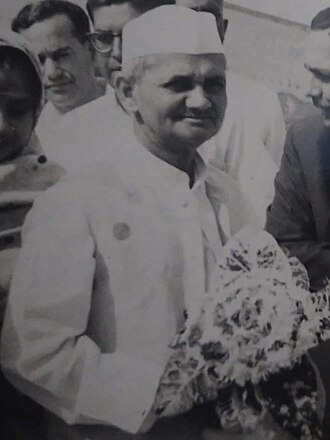
Born: 2 October 1904, Mughalsarai | Known for: Jai Jawan Jai Kisan, honesty in office | Famous words: “Discipline and united action are the real source of strength for the nation.”
Early Life
Lal Bahadur was born on 2 October 1904 — sharing a birthday with Gandhi — in Mughalsarai, Uttar Pradesh, into a very poor family. His father died when he was a baby. As a boy, he reportedly swam across the Ganga to school with his books tied on his head, because there was no money for the boat. He dropped his caste surname and took 'Shastri', a title earned by scholarship.
The Quiet Freedom Fighter
Inspired by Gandhi at 16, he left studies for the freedom movement and spent about nine years in jail across the struggle. He was so honest it became legend: as a minister he once refused to use an official car for family, and when his son got a small unfair benefit at work, Shastri had it reversed. As Railway Minister, he resigned taking moral responsibility for a train accident he had nothing to do with — setting a standard rarely matched since.
The Prime Minister Nobody Expected
After Nehru died in 1964, the small, soft-spoken Shastri became Prime Minister. Many — including Pakistan's rulers — mistook his gentleness for weakness. In the 1965 war, Shastri answered with steel, giving the army full freedom. When the country faced food shortage, he asked every Indian family to skip one meal a week — and Indians did it, because he and his family did it first. His slogan 'Jai Jawan, Jai Kisan' — Hail the soldier, hail the farmer — captured India's two quiet heroes and launched the Green Revolution's spirit.
The Mystery of Tashkent
In January 1966, hours after signing the peace agreement with Pakistan in Tashkent (then USSR), Shastri died suddenly in the night. He had been PM for just 19 months. He died owning almost nothing — he was repaying a car loan, which his widow later paid off from his pension. In an age of grand leaders, the little man from Mughalsarai proved character is the greatest height.
What We Can Learn
- Simplicity is strength, not weakness.
- Take responsibility even when it costs you — especially when it costs you.
- Lead by doing first: he skipped meals before asking the nation to.